Preserving Rodeo Heritage: A Cultural Tradition Passed Down Through Generations
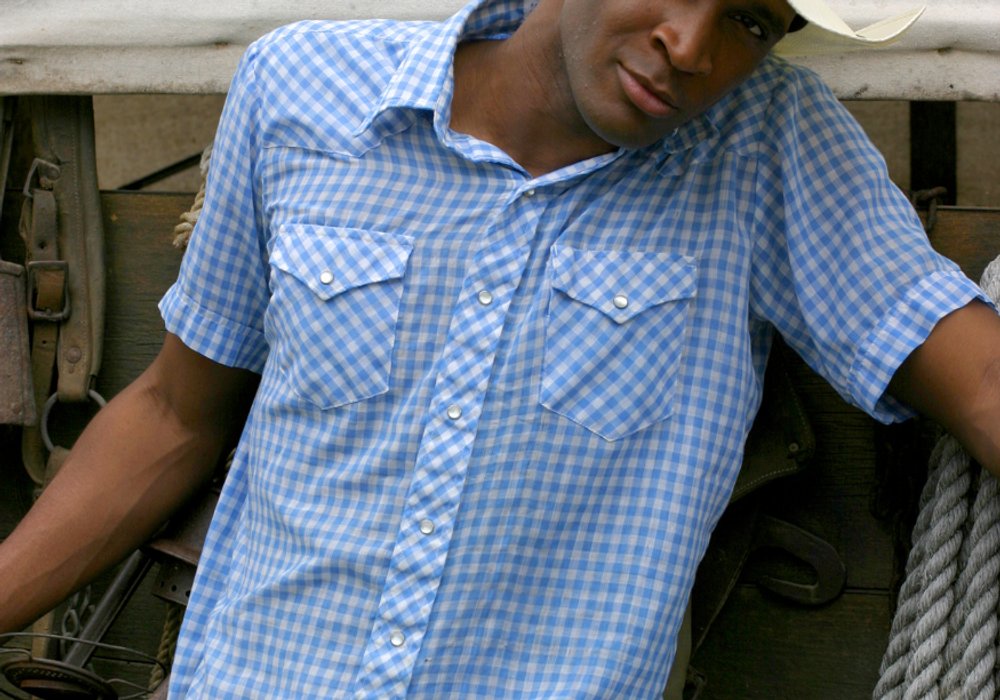
Rodeo did not begin as entertainment. It began as work. The events that draw a crowd today grew directly out of the everyday tasks of working cattle: roping, sorting, riding hard across open ground, and handling animals safely under pressure. When ranch hands started testing each other to see who was fastest and most accurate, the sport was born out of the job itself.
Tie Down Roping and Break Away Roping come from the need to catch and control an animal quickly for care or branding. Steer Wrestling and Steer Undecorating come from handling stock that does not want to be handled. Barrel Racing and Relay Racing come from the horsemanship that made all of it possible in the first place. When a young rider learns these events, they are not learning a routine. They are learning a craft with a lineage behind it.
A sport like this survives one way: someone who knows how to do it takes the time to show someone who does not. It is passed hand to hand, in an arena, in real time, usually by someone who is not getting paid for it. That transfer is fragile. Skip one generation and the knowledge is gone, and what is left is a costume rather than a culture.
An organization like the Gus Trent Rodeo Association exists to make sure that handoff actually happens. We were established to aid youth in learning the various events associated with rodeo, which is another way of saying we exist so the tradition does not stop with the people who have it now. We give young riders a place to learn, animals to learn on, and adults who take the responsibility of teaching seriously.
A rodeo brings out families, neighbors, and people who have never sat on a horse. Kids see riders who look like them doing something difficult and doing it well. That is where the next generation decides this is for them. The arena is the classroom, but the community around it is the reason anyone shows up in the first place.
Rodeo also belongs to more people than the popular image suggests. The history of Black cowboys and Black horsemanship in this country is long, real, and too often left out of the telling. Keeping that history visible is part of preserving the tradition honestly rather than partially.
Heritage is not something you protect by keeping it behind glass. You protect it by teaching it, out loud, to whoever is willing to learn. That work happens every week at our ranch in Plant City, and it will keep happening as long as there is someone to hand it to.