Rodeo Safety: Protecting Athletes in High-Intensity Sports
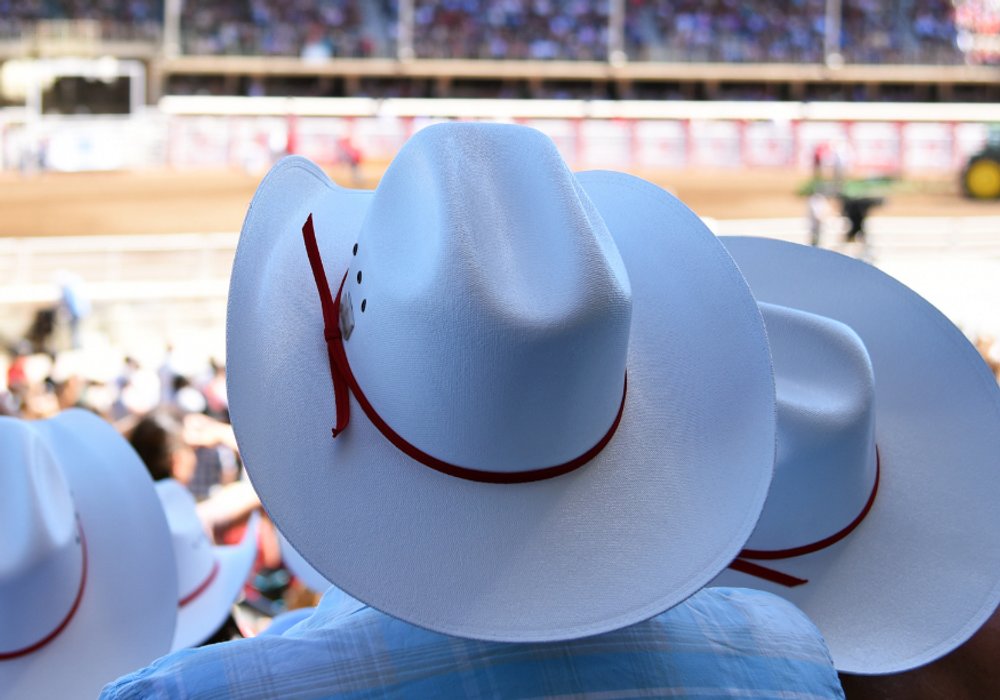
Rodeo is a high-intensity sport built around large, powerful animals moving fast. Pretending otherwise does nobody any favors. The honest position is simpler and more useful: the risk is real, it can be managed, and managing it is a non-negotiable part of the sport rather than an afterthought bolted onto it.
The most important safety work happens in the quiet part, where nobody is watching. It is in the groundwork, the horsemanship, and the hours a rider spends learning to read an animal before ever asking it for speed. A rider who is calm, balanced, and in control is dramatically safer than one who is fast but hanging on. Skipping steps to get to the exciting part is how people get hurt.
A well-cared-for horse is a predictable horse. Tack that has been checked is tack that does not fail. Rodeo kids have responsibilities they must take care of, and their performance suffers when those slide, but so does their margin for error. The daily discipline of feeding, grooming, and checking equipment is not separate from safety. It is the foundation of it.
Steer Wrestling and Barrel Racing ask very different things of a body and a skill set. A young athlete should be progressed into an event when their horsemanship supports it, not when their enthusiasm demands it. Good coaching means being willing to say not yet. That is often the least popular and most important call an instructor makes.
Young riders need qualified adults present and paying attention. At our ranch, riders learn under people who know the animals and the events. Volunteers who work with our participants are vetted and screened to ensure they are suitable for GTRA, and we reserve the right to accept or reject anyone who wants to volunteer with us. That standard exists because the people around young riders are part of the safety equation.
Stock is not equipment. Animals have moods, health, and bad days. Handling them with respect and attention is both an ethical obligation and a practical safety practice, because an animal that is stressed, sore, or crowded is an animal that is more likely to react. Good stock handling protects the rider and the animal at the same time.
Rules only work when the culture backs them. When riders see the adults check their gear, warm up properly, and speak up about an unsafe setup, they do it too. When they see corners cut, they cut them. The safest arenas are the ones where saying something looks wrong is normal and welcomed rather than treated as weakness.
Our focus on safety reflects our commitment to ensuring enjoyable and secure rodeo experiences for riders, participants, and spectators alike. The goal has never been to remove every risk from the sport. It is to make sure every young athlete who comes through our gate goes home safe and wants to come back.